



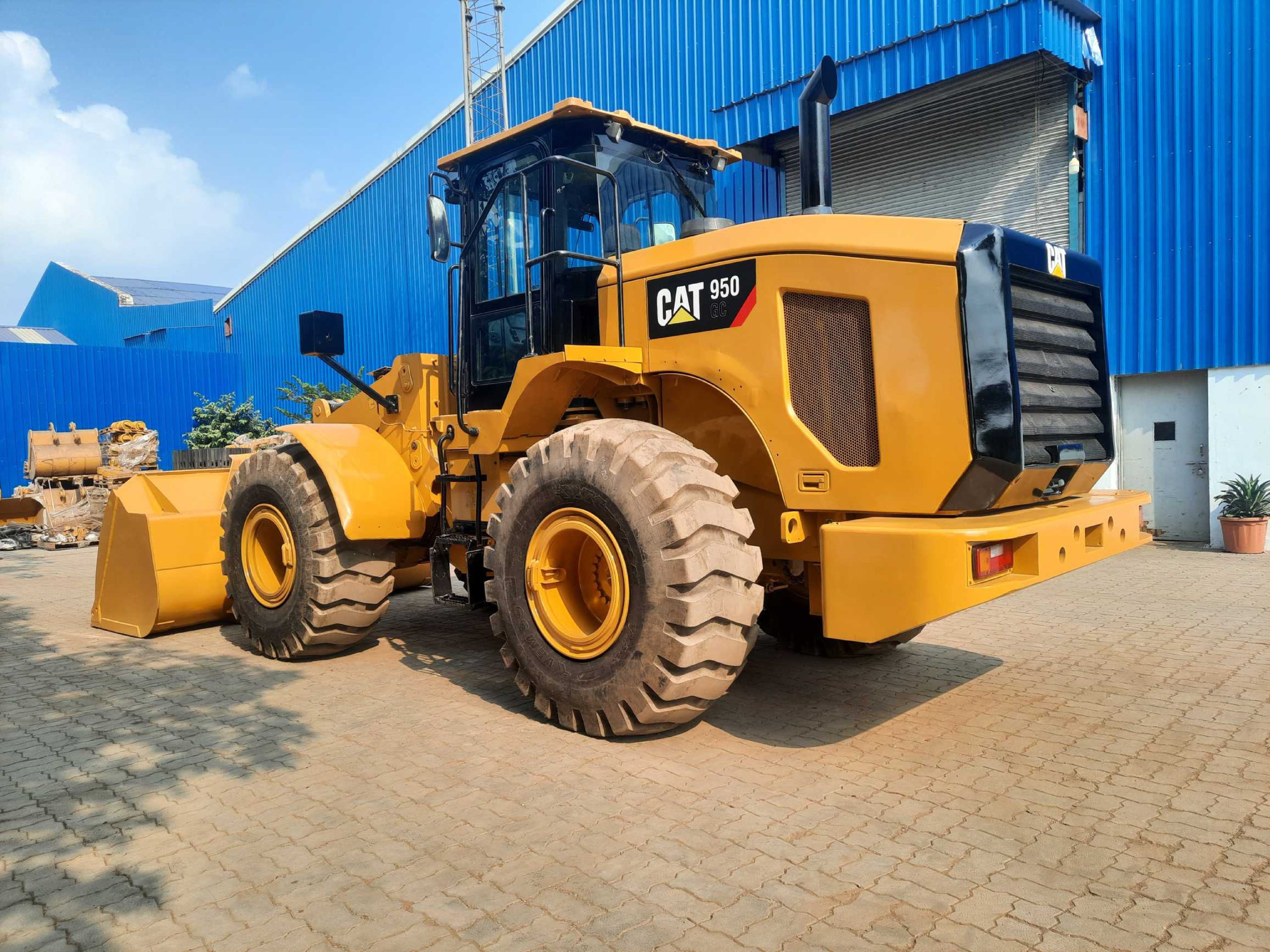
How Condition & Proven Performance Protect Resale Value Of Your CAT 950H In 2026?
Ask a used-equipment dealer which loaders hold their value, and the Cat 950 family comes up fast. One finance guide says dealer and appraisal sources point to the 950 and 966 as the strongest resale performers in Cat’s medium wheel loader line. The CAT 950H is an older machine now, so its steepest value drop is behind it. What matters today is how slowly it loses the rest.
That comes down to two things: the machine’s condition and the proven performance buyers already trust. This blog looks at the CAT 950H depreciation rate, uses the CAT 950H specifications to show why the model holds value, and explains where wheel loader emission standards cap that value. If you are weighing used wheel loaders or planning a CAT 950H for sale, it should help you price with evidence.
Why Proven Performance Slows Depreciation
A used machine loses value when buyers are unsure about it. They worry about hidden faults, expensive repairs and parts they can’t find. A loader with a long, visible track record removes most of that doubt, and a buyer who feels less risk will pay more and decide faster.
These are the main CAT 950H specifications behind its reputation, taken from the CAT 950H brochure:
| Specification | CAT 950H |
|---|---|
| Engine | Cat C7 ACERT |
| Net power (ISO 9249) | 147 kW (197 hp) |
| Operating weight | 18,320 kg (with 3.1 m³ GP bucket) |
| Bucket capacity | 2.5 to 3.5 m³ (max 3.6 m³) |
| Breakout force | 150 kN (with 3.1 m³ GP bucket) |
| Travel speed | 37 km/h forward, 40 km/h reverse |
| Implement pump output | 270 L/min |
| Emissions | EPA Tier 3, EU Stage III |
None of these figures is too impressive. Together they make a mid-size loader that does everyday quarry, yard and truck-loading work without drama. Since the duty is clear, buyers of used wheel loaders can judge quickly whether it fits their site. A wide, steady buyer pool is what keeps resale prices from sliding.
Repair cost sets the tone. Caterpillar states that the machine’s major components are rebuildable. It also says Genuine Cat Reman parts for power train and hydraulic systems cost 40% to 70% of new-part prices. A major repair therefore doesn’t write the machine off. Buyers can price it into the deal, and the loader keeps meaningful value even at high hours. The same logic covers the end of the machine’s life.
The brochure lists a 96% recyclability rate, so even a worn-out unit retains material value. Proven performance only lowers the buyer’s risk if the individual machine backs it up. A CAT 950H for sale with matching hour readings, service records and an inspection report earns the full benefit of the model’s reputation. A machine with gaps in its history loses it, which is why condition decides where each loader sits on the depreciation curve.
How Condition Moves the Price
Two CAT 950H machines of the same year can sit far apart in value. Condition and proof of condition explain the gap:
| Factor | Holds value | Speeds depreciation |
|---|---|---|
| Hours & Records | Hour meter matches dated service logs | Gaps in records, unclear hours |
| Hydraulics | Smooth full-range movement, normal cycle times | Slow or jerky functions, leaks |
| Drivetrain | Clean gear shifts, no linkage play | Harsh shifting, worn pins and bushes |
| Tyres & Structure | Even tyre wear, no frame cracks | Uneven wear, repaired cracks |
| Paperwork | Clear title, matching serial numbers | Missing papers, liens |
| Inspection | Independent report available | Seller’s word only |
Where the Value Stops Growing
Emission rules cap the resale value of any older loader. The 950H engine is EPA Tier 3 and EU Stage III compliant. Cat’s current 950 uses a C7.1 engine with a regeneration system, a diesel particulate filter and a diesel exhaust fluid system. Some markets restrict older engines. Wheel loader emission standards in your buyer’s country can therefore decide whether a CAT 950H for sale attracts one buyer or twenty.
Electronics and warranty add to the gap. The 950H comes with Product Link, VisionLink and S·O·S services as options on this model. Newer loaders usually bring more advanced monitoring, and a new machine carries a factory warranty. A used 950H is only as strong as its inspection and refurbishment.
| Point | Used CAT 950H | Newer wheel loader |
|---|---|---|
| Purchase cost | Lower | Higher |
| Emission level | Tier 3 / Stage III | Later standards |
| Warranty | Depends on refurbishment | Manufacturer warranty |
| Monitoring & Telematics | Limited | Often included |
| Best Fit | Steady yard and quarry work where rules allow | Strict emission markets and data-driven fleets |
How Fast Does the CAT 950H Lose Value?
Wheel loaders lose value fastest early on. One industry article says a new wheel loader can lose 20% to 30% of its value in the first year, then decline more gradually. One model-based estimate puts the CAT 950H at roughly 13% to 17% a year. It also shows about 66% of MSRP retained at three years and about 50% at five.
Treat those numbers as a guide, not a quote. They are modelled averages, and a 950H today is well past the five-year mark. At this age, the individual machine matters more than the model curve. Hours matter too: one depreciation guide says a heavy machine at 4,000 hours retains 40% to 50% more value than one at 8,000 hours of the same age.
Note for Sellers
- Check the rules first: Confirm which destination markets accept Tier 3 / Stage III machines before you price or advertise to them.
- Know your market price: Compare current listings of the same model, condition and location, and leave room to negotiate and not simply undercut them.
- Gather service records: A detailed maintenance log shows the machine was cared for and that the buyer isn’t inheriting overdue service.
- Prove ownership: Have the title or proof of ownership ready, since buyers must be sure you can legally transfer the machine.
- Clear any liens: Get a lien release or encumbrance-free confirmation if the machine was financed.
- Match the serial number: The number on the machine’s plate must match the invoice, title and shipping papers exactly.
- Fix or disclose faults: Disclose all known defects in writing, because a surprise found later costs more than a stated one.
- Offer an inspection report: An independent report gives buyers evidence, and pre-shipment certificates are sometimes required by the destination country.
- Highlight attachments: List buckets, couplers and other attachments clearly, and document them, since they can raise the final price.
- Clean the machine: Clean it before photos and inspection, and note any wear. Some destinations require a certificate that the machine is free of soil and plant matter.
- Take clear photos and video: Show a cold start, full hydraulic movement and the hour meter, so buyers can verify the machine remotely.
- Prepare export paperwork early: Typical papers include the commercial invoice, packing list, bill of lading and export declaration. Requirements differ by country.
- Use a written sale agreement: It should name both parties, the machine details, price, payment terms, delivery terms and any guarantees.
Our simple maintenance routine to keep a loader working longer shows what a well-kept machine looks like.
Conclusion
The CAT 950H depreciation rate is not fixed. Proven performance gives the model a strong floor. Verified condition and clean records decide where an individual machine sits above it. Emission rules and the lack of a warranty set the ceiling. Choose a newer loader if you need later emission standards, advanced electronics or factory cover.

