


How to Get the Best Value When You Sell Used Construction Equipment in India (2026)
Many owners think a machine’s resale value is decided by its age and brand. In practice, the engine hour meter, wear, component condition, documents and service history move the price more than the model year. Two identical machines from the same year can sell 20-30% apart, so how you prepare and present a machine matters.
If you plan to sell used construction equipment in India in 2026, knowing what buyers check will help you get the best value for your machine. This guide covers the 7 factors that decide the value of used construction equipment and what you can do about each one before you sell.
1. Brand & Model
Brand pedigree still matters, but not the way most owners think. CAT or Volvo often carries a resale premium because parts, mechanics and buyers are easy to find. Model matters inside the brand too. A 20-tonne class excavator like the CAT 320 finds a second buyer fast, while a niche or discontinued model can sit unsold for months.
What you can do: Keep the original plates, manuals and parts details ready, because buyers pay more when they can see that parts and service are easy to get.
2. Age & Hours
Calendar age often misleads. The engine hour meter tells the real story. A 2019 excavator with 4,500 hours is often worth more than a 2022 machine with 9,000 hours, because hours decide component life more than the year.
What you can do: Make sure the hour meter works, note the exact reading and keep service records that back it up. A reading that looks too low for the machine’s condition makes buyers suspicious and pulls the price down.
3. Maintenance & Refurbishment History
A fresh coat of paint does not hide a worn hydraulic pump. Buyers ask for the service log first, with oil changes, filter swaps, fluid analysis and major repairs.
What you can do: Collect every service invoice and list the parts you replaced. Refurbishment done to export-grade standards, with proper component replacement, pushes resale value up noticeably, because it removes the buyer’s biggest fear: hidden repair costs.
4. Wear Parts & Conditions of Components
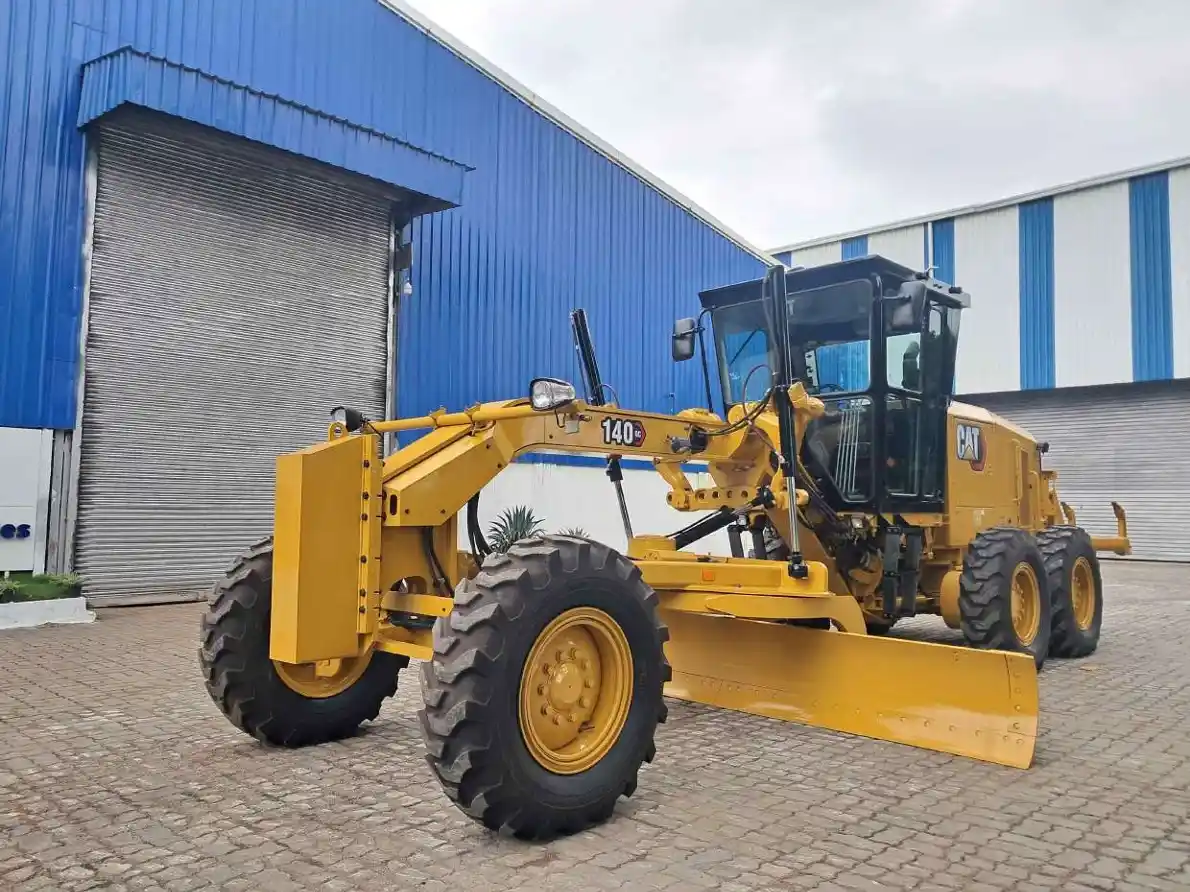
Wear parts decide how much a buyer expects to spend in the first year. On tracked machines like dozers, excavators and motor graders, track links, rollers, sprockets and idlers are costly to replace, and buyers also look for cylinder leaks, play in boom and stick pins and a loose swing bearing.
What you can do: Fix small leaks and note the remaining life of the undercarriage. On wheeled machines like backhoe loaders, front loaders and telehandlers, buyers check tyre tread, drivetrain and cutting edges. Replace worn cutting edges and keep tyre measurements ready. A machine that needs a new undercarriage will be priced lower by the buyer, often by more than the repair would have cost you.
5. Papers & Ownership Trail
Weak or missing paperwork tanks value. Buyers ask for the original invoice, check that the chassis and engine numbers match the machine plate, and want a no-objection certificate if a lender ever financed the machine. Many previous owners also drag the price down.
What you can do: Gather the invoice, registration where it applies and loan closure papers before you list the machine. For imported machines, keep the bill of entry as proof that customs duty was paid. A clean paper trail lets you ask for a better price and sell faster.
6. Application History
6,000 hours on the meter can tell very different stories. Loading soft soil on a highway job is one kind of life. Grinding through a quarry, where abrasive rock and shock loads chew through buckets, teeth and pins, is another. Buyers ask about the material, the shifts and the operators, because rough handling adds wear that the hours never show.
What you can do: Be ready to describe where and how the machine worked. A machine that worked on lighter applications can use that fact to hold its price, and being honest about harsh use avoids price cuts later in the negotiation.
7. Location & Logistics
A buyer does not pay the yard price alone. A 25-tonne excavator needs a low-bed trailer, and truck rent, fuel, driver charges and permits for oversized loads get added on top. A machine sitting 1,500 km away costs the buyer more at the site, so the offer comes down.
What you can do: Keep the machine in a clean, accessible yard, share photos and videos of it working, and be clear about who arranges loading and transport. A buyer who can see the machine and the delivery plan will pay with more confidence.
2026 Market Forces For Wheeled Equipment
CEV Stage V emission norms apply from 1 January 2025 to wheeled equipment. Non-wheeled off-road machines, like crawler excavators, are exempt. New wheeled machines now cost an estimated 12 to 15% more, which keeps demand for used units strong. Wheeled loaders and backhoes built before 2025 carry older-stage engines, so note the emission stage when you describe your machine.
Conclusion
When you sell used construction equipment, value comes from evidence, not labels. Keep the hours, service records, papers and photos ready, fix the small issues and describe the machine honestly, and buyers will value it closer to its true worth. Planning to sell? Share your machine details on the Sell Now page. You can also read our guides on how to sell your used construction machine in 2 to 4 weeks or how sellers lose value when selling used construction equipment and how to avoid it.

