



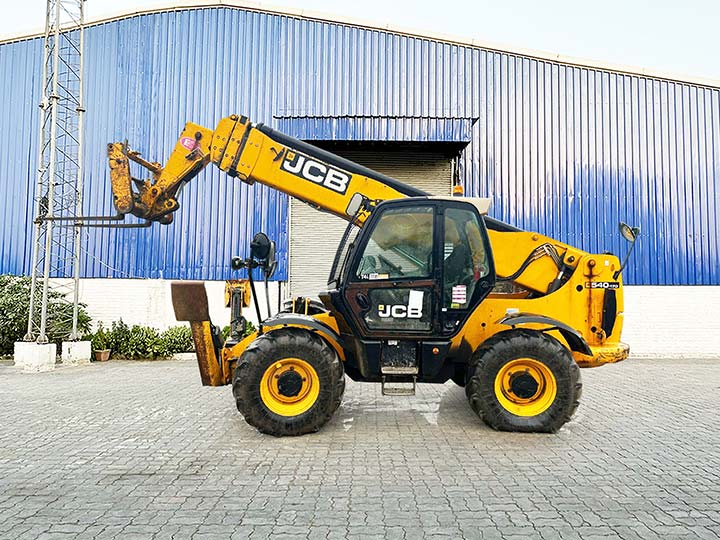
Telehandler Safety Tips Every Operator Should Know
Telehandlers are highly versatile, but their strength comes with risks. It offers better lifting capabilities than forklifts. That functionality creates forces that many operators ignore. Telehandler safety starts with its functionality. When you extend the boom, your centre of gravity shifts fast, and the load capacity drops with every foot of reach.
On every job site, material handling safety comes down to fast thinking. One wrong move with your construction equipment, and you’ll put your crew at risk, and tip-overs can halt your project, damage your machine, and increase your TCO with more repairs and downtime. Material handling equipment safety exists since there’s little room for error with this machine.
We have listed the most important safety rules you should follow the next time you’re using this machine. No theory, no fluff; just the basics that keep you safe and your machines working.
1. Check The Load Chart Before Every Lift
Your telehandler’s capacity changes when you extend the boom and the angle of extension. Never estimate or guess the weight or reach; always check the telehandler load chart provided by the manufacturer before every lift.
Dangers Involved If Ignored: Overloading at extended reach causes the rear wheels to lift and may cause the whole machine to tip over.
2. Know The Surface/Worksite Conditions & Site Limitations
The ground you are working on changes the machine’s stability more than you expect. Always check for slopes, soft soil, debris, and terrain before you set up or operate for the best material handling equipment safety. Adjust the load and travel plan based on actual conditions or what the site or surface can support.
Dangers Involved If Ignored: Soft and sloped site conditions can cause sudden shifts, increasing the chances of sinking or rollovers.
3. Keep The Load Low While Travelling
When you transport a load, keep the boom as low and close to the machine as possible. Moving with the boom raised makes the telehandler unstable and blocks your forward view. Lower the load before travelling across the site (s).
Dangers Involved If Ignored: When you’re operating on sloped surfaces or elevated roads, travelling with the load kept high increases the risk of tip-overs and blocks your visibility, which can result in accidents.
4. Use Outriggers/Stabilisers When Needed
Activate the outriggers or stabilisers whenever the load chart requires. You should deploy these, especially when working on uneven surfaces or tasks that require a long reach. Skipping this step just because it feels like a minor tip can compromise the entire stability of your telehandler.
Dangers Involved If Ignored: When stabilisers are not deployed, the chassis fails to handle side forces, and the chances of tip-overs increase.
5. Maintain Proper 360° Visibility
Most telehandlers have blind spots around the counterweight and boom base, which are quite common and unavoidable. Use mirrors, integrated cameras and ground spotters to check these areas before you move the boom or lift. Never guess the area behind you and ensure it’s clear.
Dangers Involved If Ignored: Blind spots from telehandlers can injure your ground crew and damage nearby structures and machines.
6. Inspect The Tyres, Hydraulics & Attachments Before Shifts
Before every shift, conduct an inspection and check the tyre condition and tread wear, integrity of the hydraulic hose and attachment locking systems. This takes just minutes but helps in catching problems faster before they turn into mid-lift failures. Document finding should be a part of your telehandler safety training habit.
Dangers Involved If Ignored: Neglecting daily inspections can lead to increased hydraulic risks, worn tyres, sudden drops in loads, or loss of control.
7. Avoid Power Lines Without Proper Clearance
Before you operate a telehandler in urban areas or at places with overhead power lines, confirm your clearances, not just visual estimates. Confirm the minimum safe distances with your site supervisor and mark the restricted zones properly before you start working in that area.
Dangers Involved If Ignored: Contact with overhead power lines can be fatal and catastrophic. It can electrocute your crew, result in fires and cause site-wide power cuts.
8. Adjust To Weather Conditions
Weather conditions like wind, rain and extreme heat or cold affect the stability and control of your telehandler’s boom. Lower your lift heights and extension in windy weather, and if you can’t see or keep a grip, stop the operation to make sure material handling safety isn’t compromised.
Dangers Involved If Ignored: Gusts of wind at full extension can cause the load to swing or compromise the entire stability of a telehandler, resulting in accidents.
Final Thoughts
Stick to these basics and follow the telehandler load chart to keep your team safe and your telehandler working longer with fewer breakdowns. Top-notch telehandler safety isn’t just a checkbox to tick for compliance, but it also keeps your productivity intact, reduces and cuts the chances of losses.
At JKIPL, we help operators and fleet managers find reliable, well-kept used telehandlers that are tough enough for demanding jobs. Browse through our inventory or talk to us about what your operation needs.

