



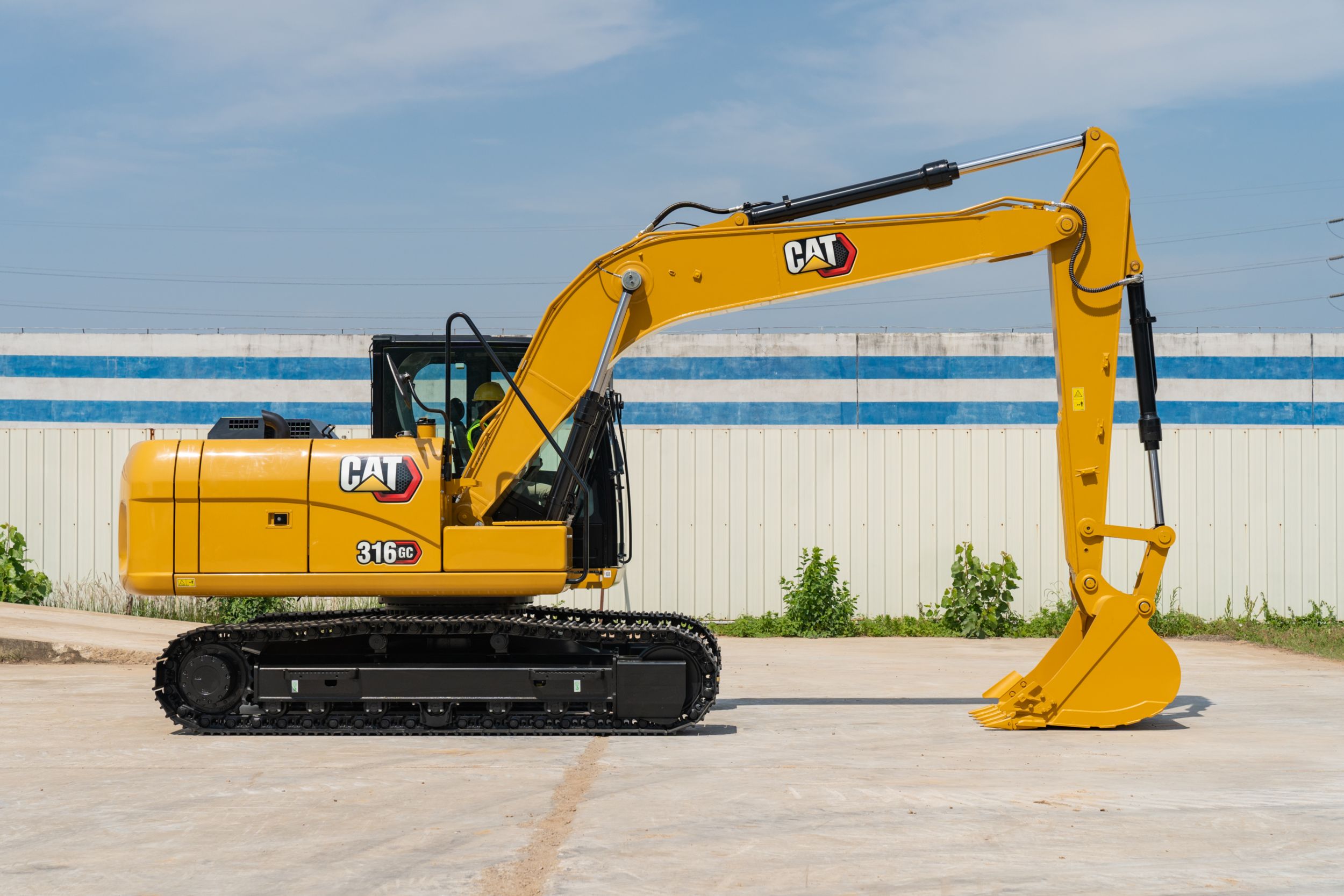
Common Hydraulic Problems in Excavators & How to Prevent Them
Your 30-ton excavator suddenly loses digging power. The boom starts jerking instead of moving smoothly. On top of these issues, time is slipping, and the deadline is approaching fast. Every contractor and fleet manager has experienced this scary incident. Hydraulics run almost everything, ranging from the boom, arm, bucket, and swing to travel. When it fails, you hardly get an alert, just a bogged-down machine and missed deadlines.
Contaminated hydraulic fluid, overheating, leaks, and damaged pumps are common occurrences among excavator hydraulic problems. This is why hydraulic system troubleshooting is important, and spotting issues early can help you fix them easily before they transform into a major one. Understanding the warning signs early and taking necessary measures can help you keep your machine running smoothly and avoid unexpected surprises.
Here are the most common excavator hydraulic problems, their symptoms, and fixes, most of which you can do by yourself. Meanwhile, you can check out used excavators at JKIPL.
Problem 1. Fluid Contamination
So what causes excavator fluid contamination? Dirt, water, and metal shavings enter the fluid through worn seals or a damaged fill cap. Sometimes it can happen if the fluid turns old. It’s one of the common reasons behind excavator hydraulic problems on any jobsite.
Watch for:
- Sluggish cylinder response
- Dark and milky oil
- Repeated failures in the same part
- Whining noises from the pump after a fluid change
Stick to the manufacturer-specified fluid change interval. Keep the fill cap seals and do a fluid analysis every 250 hours.
Problem 2: Excavator Overheating
Overheating is one of the most common occurrences in excavators and other heavy machinery. This is the reason many owners think it’s normal, but that’s not the case. So, what causes excavator overheating? Well, it can happen due to cooling system failure, engine problems or hydraulic issues.
From a hydraulic perspective, overheated fluid degrades fast and stops lubricating properly. It can happen if the machine was working past its rated load capacity, or due to a low fluid level or cooler problems. Ignore these, and you’re negotiating with real excavator maintenance headaches.
Symptoms:
- Fluid feels hotter than usual on the dipstick
- Burning smell from the pump or reservoir
- Foamy or discoloured hydraulic fluid
- Less power on the boom and arm
Check the fins of the cooler and fans weekly. Avoid pushing the excavator outside its rated capacity. Watch the temperature gauge for overheating.
Problem 3: Leaks In Hoses, Seals & Fittings
Hydraulic leaks are common in excavators, but what causes them? A hydraulic leak is one of the most visible signs that your excavator is experiencing one. It usually happens due to a worn hose, a bad seal, or a fitting that backed off due to vibration or lack of maintenance. Small drips may look harmless, but they aren’t when pressure is involved.
Symptoms:
- Puddles or drip marks under the machine
- Worn, cracked or bulging hoses
- Loss of pressure while lifting or digging
- Fluid residue buildup around fittings
Inspect the hoses and seals on every shift, not monthly. Swap hoses before they fail. Run your hands along the lines during excavator maintenance and tighten loose clamps.
Problem 4: Cavitation
Cavitation is a phenomenon that happens inside hydraulic systems, engines, and pumps when pressure quickly changes. These changes in pressure cause vapour bubbles to form and violently collapse.
Signs you shouldn’t ignore
- A sharp, rattling or knocking sound from the pump
- Jerky and inconsistent cylinder movement
- Low fluid reading despite no visible leak
- Reduction in digging force under loads
Keep the reservoir topped off with fluid. Check the suction hoses for loose clamps or cracks. Match the viscosity of the fluid according to seasons, and don’t guess on it.
Problem 5: Aeration
What is aeration in the hydraulic system? Aeration is often considered the quieter cousin of cavitation. When air mixes into the fluid instead of getting pulled in raw, it causes the fluid to be aerated, and this problem can cause serious problems and may require excavator repair. Your excavator loses its power because you’re compressing air instead of compressing the hydraulic fluid and moving it.
Symptoms:
- Fluid is foamy and has bubbles
- Controls feel spongy and have delayed responses
- Overheating for no reason
- Pump running louder than normal
Closely check the hydraulic system and tighten every fitting on the return side. Check the fill-up gasket and allow the machine to sit for a minute before startup so the trapped air inside can settle.
Problem 6: Pump Wear
Natural friction and poor lubrication degrade internal clearances when you use an excavator for thousands of hours. This is unavoidable but a severe issue that drastically reduces the flow of hydraulic fluid and pressure capabilities, all affecting performance. Worn-out or damaged pumps simply cannot generate the force needed to dig compacted soil or hard surfaces.
Watch out for:
- Slower cycle times across various functions
- Whining or grinding noise under load
- Unusually high heat even with good fluid
- Inconsistent pressure on the gauge
Keep fluid analysis a part of regular excavator maintenance. If you find a hydraulic leak, address it quickly and ensure there is no hydraulic fluid contamination. Don’t ignore a noisy pump assuming it will quiet down by itself.
Problem 7: Control-Valve Malfunction
The control valves inside an excavator’s hydraulic system direct the fluid into the right cylinder when required. When one control valve sticks or wears out, fluid movements are compromised. Hydraulic fluid contamination is usually the primary cause of this malfunction, as debris jams tiny spools inside. This is a common problem, but it messes up the control system, which can increase safety risks at work.
Symptoms:
- Erratic or delayed boom, arm & bucket response
- One function working fine, while another lags
- Unusual noise when shifting from functions
- Leaking fluid from the valve body
To prevent control-valve problems, keep the fluid clean from the start. This is important as it protects internal valve components. Test valve functions during hydraulic system troubleshooting or regular maintenance visits, instead of waiting for it to fail.
Conclusion
Most excavator hydraulic problems start small, but when you ignore them, they grow to transform into a major problem. A little contamination or a leak can give rise to bigger problems, like pump rebuilds, valve replacements, or machine breakdowns. Imagine these happening during peak months and amid a busy schedule. Regular excavator maintenance can help you catch these issues early and take necessary measures.
Looking for reliable used excavators at affordable rates? JKIPL is India’s leading used construction equipment dealer. We offer highly reliable and powerful used CAT excavators at affordable prices, alongside transparency and detailed inspection reports. Contact us today.

