



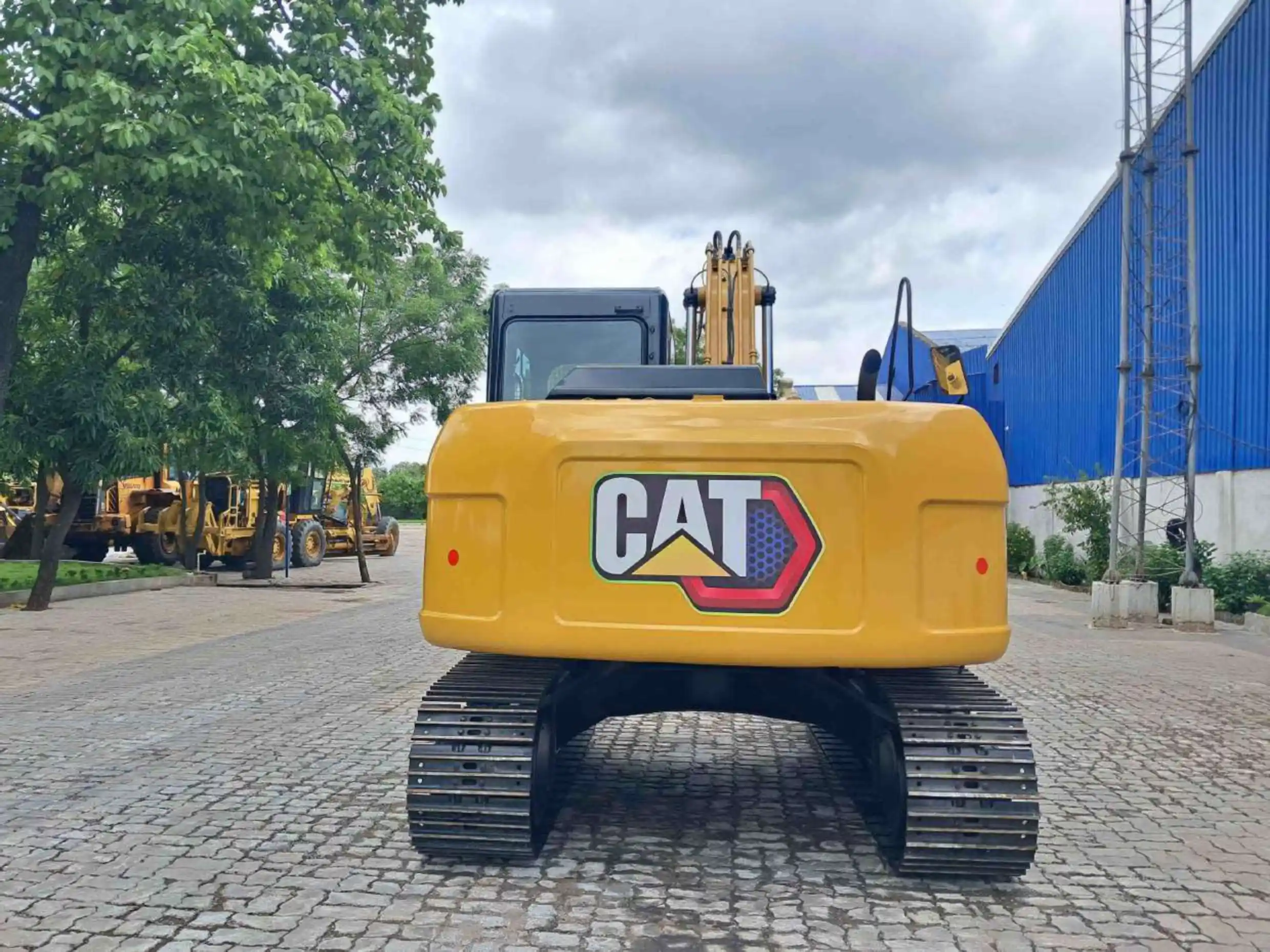
Excavator Parts That Wear Out Fast & Need Attention
You hear a strange grinding noise halfway through the shift. Suddenly, you face another unplanned downtime bill. Maybe it’s a faint noise from the undercarriage, or the boom hesitates for just a moment, or it looks damp with oil. Every fleet manager knows that helpless feeling when a routine job turns into an expensive surprise. Heavy workloads, high temperatures, and dust guarantee your excavator’s wear parts don’t last forever.
To catch parts wearing early, you’ve got to really know your machine’s critical parts, how they damage under pressure, and roughly how long they last. Catching the warning signs early keeps your margins safe, protects your machine’s value, and saves you from huge repair costs.
Here’s a breakdown of the parts most likely to burn a hole in your budget if you ignore them. From the hydraulic pump of excavator to the excavator undercarriage and bucket teeth, here are the parts that wear out faster than you realise and need quick attention.
1. Hydraulic System Parts
The hydraulic system in excavator provides the essential digging force, which is needed during challenging excavation and earthmoving jobs. The hydraulic pump failing results in higher fuel consumption, sloppy and reduced performance and ruined cycle times.
Lifespans:
- Hydraulic pumps: 5,000-10,000 hours
- Hoses: 1,000-2,000 hours
- Cylinders: up to 10,000 hours
Seals: 2,000-5,000 hours
Warning Signs:
- Boom moves slowly or jerkily
- Fluid leaks from hoses or seals
- Unusual whining noises from the pump
Common Causes of Wear:
- Dirty hydraulic fluid and overheating
- Lower efficiency and weird noises
- Low fluid levels, cracks, and bulges
- Pushing pressure beyond the machine’s limits
- Busted seals due to overheating
Maintenance Tips:
- Change filters on schedule
- Keep fluids clean and topped off
- Avoid using it in extreme temperatures
- Inspect all hydraulic components
- Use OEM-made parts
2. Undercarriage Components
The excavator undercarriage demands a significant portion of your machine’s lifetime repair cost. Ignore it, and you’ll burn through cash fast. Keeping a proper tension and clean tracks helps you maintain better traction and minimise fuel wastage.
Lifespans:
- Track chains: 3,000-5,000 hours
- Rollers and idlers: 3,000-5,000 hours
- Sprockets: 3,000-4,000 hours
- Idlers: 4,000-6,000 hours
Warning Signs:
- Tracks are loose or sagging
- Excessive noise and vibration from the rollers
- Tracks wearing unevenly
- Grinding noise when travelling
- Chain skipping and worn/broken sprocket teeth
Common Causes of Wear:
- Operating on rock or rough terrain
- Incorrect track tension
- Sharp turns on hard surfaces
Maintenance Tips:
- Check tension every day and signs of wear
- Rotate tracks if wear isn’t even
- Keep the excavator undercarriage clean and free from dirt and debris
- Avoid sharp turns when you can
3. Engine Components
The engine of your excavator determines its performance, efficiency and functionality. It also powers the hydraulic pump. When major engine parts wear, your fuel bills jump, and you lose power when you need it the most. Perform regular engine maintenance if you don’t want your operating costs to increase.
Lifespans:
- Pistons and rings: 8,000-12,000 hours
- Injectors: 1,500-4,000 hours
- Turbochargers: 5,000-10,000 hours
Warning Signs:
- Black or blue smoke
- Drop in performance and rise in engine noise
- Reduced fuel efficiency, engine misfires and rough idling
- Compression loss
Common Causes of Wear:
- Harsh operating conditions
- Consistently using the machine in high capacities
- Clogged air filters
- Too much idling
- Ignoring regular maintenance
Maintenance Tips:
- Conduct regular maintenance
- Swap out air and fuel filters regularly
- Use fuel your manufacturer recommends
- Minimise idle time
- Use OEM parts
- Avoid using in high temperatures
4. Electrical System Parts
Excavators now rely on sophisticated electrical systems to monitor performance. A failing wire or battery can take the whole machine offline in a second. Don’t give these issues a chance to ground your operation.
Lifespans:
- Wiring harnesses: Designed to last the machine’s life
- Sensors: Designed to last the machine’s life, but also depend on usage
- Batteries: 1,500-2,500 hours, depending on usage
Warning Signs:
- Dashboard warnings flicker
- Engine starts slowly
- Erratic readings from sensors and warning lights
- Batteries face charging difficulties and need frequent recharging
Common Causes of Wear:
- Water intrusion
- Damaged connectors from vibration
- Extreme hot or cold weather
- Loose connections due to high vibrations
Maintenance Tips:
- Regular electrical checks
- Check connectors for corrosion
- Secure loose wiring
- Test battery voltage every month
- Protect components from dust and moisture
5. Excavator Attachments
Attachments, especially ground-engaging tools takes brutal beating daily. Blunt attachments force your machine to burn more fuel. Keeping teeth sharp restores digging force and protects the bucket from further damage.
Lifespans:
- Buckets: 7,500-10,000 hours
- Bucket teeth: 500-1000 hours (lower if used on abrasive surfaces)
- Quick coupler: Several thousand hours if maintained properly
- Cutting edges: 500-1,000 hours
- Breaker tips: 200-400 hours
Warning Signs:
- Bucket’s missing teeth, or they’re rounded off
- Takes more effort to dig
- Bucket wears unevenly
Common Causes of Wear:
- Digging in abrasive soil or rock
- Running with worn teeth for too long
- Wrong attachment for the job
Maintenance Tips:
- Rotate teeth to spread wear
- Replace before they’re fully rounded
- Match the tool to the material/job
6. Filters
Filters are the last line of defence against dirt and debris. Ignore them, and you’re risking serious engine or hydraulic system failure. Consistent filter checks are the best investment you can make in routine excavator maintenance.
Lifespans:
- Air filters: 500-1,000 hours
- Fuel filters: 500-1000 hours
- Hydraulic filters: 1000-2000 hours
- Oil filters: Brand-specific & must be changed with every oil change
Warning Signs:
- Higher fuel consumption and black exhaust smoke (air filter)
- Poor engine performance, sloppy response, and difficulty in starting (fuel filter)
- Hydraulic fluid looks cloudy and has reduced hydraulic performance (hydraulic fluid filter)
- Dirty and sludgy oil, drop in engine performance, and rough engine behaviour (oil filter)
Common Causes of Wear:
- Dusty site conditions
- Delayed filter changes
- Poor quality fuel & fluids
- Leaks in the hoses & pipes
Maintenance Tips:
- Stick to strict filter change schedules
- Check filters after using on dusty sites
- Always use OEM filters if possible
7. Cooling System Parts
This system stops your machine from malfunctioning or suffering major engine damage during intense loads. A weak radiator can cause the engine blocks to warp in extreme heat, so don’t ignore cooling system checks.
Lifespans:
- Radiators: 5,000-10,000 hours
- Fans: 2,000-5,000 hours
- Coolant hoses: 2,000-4,000 hours
- Water pumps: About 5,000 hours
- Thermostats: 5,000-7,000 hours
Warning Signs:
- Engine temp rises unexpectedly
- Leaks near coolant hoses
- Steam in the engine bay
- Clogged fins, unusual noises and reduced airflow
Common Causes of Wear:
- Clogged fins
- Old or weak coolant
- Extreme heat
Maintenance Tips:
- Clean radiator fins often
- Flush and change coolant on schedule
- Inspect hoses for softness
8. Slew Ring Bearings
The slew ring lets your cab swing smoothly. When it fails, the excavator stops working. Proper lubrication is everything here. Mess it up, and you’re looking at one of the most expensive repairs on the list.
Lifespan:
- 8,000-12,000 hours (if lubricated properly)
Warning Signs:
- Grinding when swinging
- The cabin feels loose or wobbles
- Rotation isn’t consistent
Common Causes of Wear:
- Not greasing often enough
- Overloading
- Working on sloped ground
Maintenance Tips:
- Grease as per the schedule
- Respect the machine’s load limits
- Check bolts for slack
9. Linkage & Pins
These keep your boom, arm, and bucket working in sync. Worn pins cause sloppy movements and compromise working precision. Performing regular lubrication and inspection keeps everything working smoothly.
Lifespans:
- 2,000-3,500 hours (depends on how often you grease)
Warning Signs:
- Excess movement in the boom/arm
- Squeaks when moving
- Metal shavings by the joints
Common Causes of Wear:
- Skipping greasing
- Heavy repetitive loads
- Dirt making its way into the joints
Maintenance Tips:
- Grease pins every single shift
- Inspect bushings monthly
- Replace worn pins before they damage housings
10. Final Drives
The final drive conveys the hydraulic power into mechanical power for your tracks.
If a final drive seizes, your machine’s mobility gets compromised. Consistent fluid health checks and replacements can help it deliver maximum life and torque without a catastrophic breakdown.
Lifespan:
- 5,000-7,000 hours (with regular care)
Warning Signs:
- Oil leaks near the drive housing
- Inconsistent travel speed
- Whining noise while moving
Common Causes of Wear:
- Low gear oil
- Contaminated oil
- Running at max load for too long
Maintenance Tips:
- Check oil weekly
- Change oil as recommended by the OEM
- Deal with leaks immediately
Final Thoughts
Catching excavator parts wear early keeps your operation running smoothly, fuel costs down, and ownership costs predictable. Your excavator’s spare parts inventory should focus on what fails most often, especially the undercarriage, hydraulics, and attachments. Routine inspection always beats sitting around for expensive repairs. Please keep in mind, picking the right supplier means choosing someone who knows your working conditions, not just what’s printed in the parts catalogue.

