



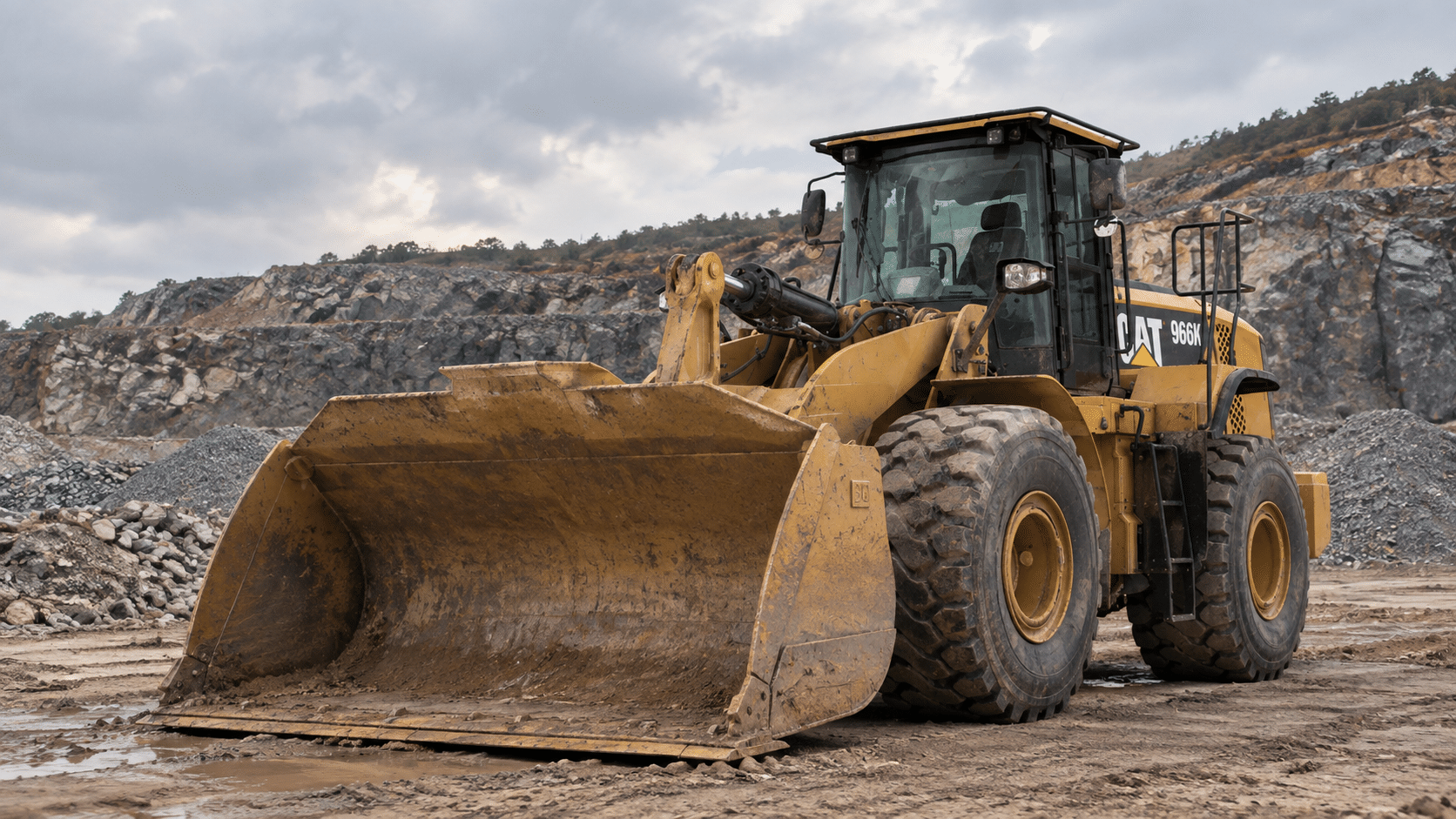
How to Calculate ROI Before Buying Used Construction Equipment
A used excavator selling for significantly less than a new machine initially looks like a win, but is it actually cheaper or just cheap on paper? A worn-out hydraulic system, a damaged undercarriage or any major repairs can cost you a lot of money, or more than a new machine would. So, is used construction equipment a good buy?
Well, many used construction machines perform great, while some others bog down. The key strategy is to buy from a reputable seller and calculate the ROI on used construction equipment. When you decide to buy used construction equipment, look beyond the sticker price, factor in acquisition costs, transport costs, fuel expenses, financing, insurance, utilisation rate, and resale values. Skip one metric and your capital gets tied up in a bad purchase.
Doing these properly ensures your capital expenditure goes in the right direction and works well for you, helping you earn for years to come. So how to calculate the ROI before settling on used equipment? Let’s take a look.
Why ROI On Used Construction Equipment Matters
New equipment comes with warranty periods and a predictable maintenance schedule. Used machines don’t. When you’re buying used machines, you’re basically inheriting someone else’s wear and tear, and in some cases, their deferred maintenance too. That’s why calculating ROI on used construction equipment matters so much because you’re buying a machine with unknown history.
If you’re not backing your selection with solid math, you’re gambling. Older machines and poorly managed equipment consume more diesel. Hydraulic pumps start to wear out after several thousand, and after that the wear accelerates quickly. Assessing the exact ROI on used construction equipment protects you from liabilities. Skip this maths, and you may end up tying up your capital in a machine that never really pays.
The Core ROI Formula
Here’s the formula you should use before buying a used machine: ROI = (Net Gain/Total Cost of Ownership) x 100. Net gain is the revenue the machine generates, minus everything it cost you.
While it looks simple on paper, the hard part is being real and honest about the numbers for each variable. That’s what the next steps are for.
Step 1: Calculate the Total Cost of Ownership
This is where most buyers cut corners, and it’s the number that matters most. Total cost of ownership for construction equipment should include purchase price, transport, taxes, insurance, fuel, routine maintenance, and expected repairs based on the hour meter and service history. We’ve seen contractors forget insurance entirely and get hit with a financial surprise. Adding it all up is the first step.
Step 2: Estimate The Depreciation & Resale Value
Used equipment depreciates slower compared to new machines. This is because the steepest drop already happened under the previous owner. Still, you need a realistic equipment depreciation rate for the specific make and model, not an industry average. A Cat excavator holds value differently than a lesser-known brand. Check recent auction results for similar hours and condition to estimate resale.
Step 3: Factor In The Costs Of Financing
Financing changes the math more than people expect. Borrowing money is never free, especially on second-hand assets. A used loader at moderate interest over four years can cost more than the sticker price once you add it up. Paying cash? Factor in opportunity cost too; that money could be earning elsewhere. Either way, financing belongs in your total ownership number.
Step 4: Assess Project Utilisation & Revenue Potential
How many billable hours will the machine work each month? Be honest about the number; don’t guess or be optimistic. A Skid Steer sitting idle 3 days a week isn’t generating ROI; it’s eating your profits in the form of storage costs. Estimate a realistic utilisation rate based on your projects, then transform it into revenue, or into rental costs you’ll avoid by owning instead.
Step 5: Apply The Formula Of ROI
Now plug your numbers in. Say a used loader costs AED 227,700 ($62,000) total to own over three years and generates AED 334,200 ($91,000) in project revenue tied directly to its use. Net gain is AED 106,500 ($29,000). Divide by total cost, multiply by 100; that’s roughly 47% ROI. That’s not bad, but ensure you run it against alternatives before committing.
Step 6: Calculate the Payback Period
ROI tells you the gain, but payback period tells you how fast your machine pays for itself. Divide total cost of ownership by projected annual net gain. Many equipment buyers look for a payback of roughly 2 to 4 years. The longer it runs past that, the more your result depends on steady project volume, stable fuel prices, and few major breakdowns. Used machines have a lower purchase cost, which shortens payback, but repair costs can erode that advantage.
Step 7: Inspect the Equipment & Verify Before Buying
Numbers only work if they’re built on real data. Get the hour meter checked for tampering, pull maintenance records, and have a mechanic look at undercarriage wear before you buy used construction equipment. Undocumented history has a way of turning into surprise repair bills that wreck your carefully built ROI projection.
Conclusion
Deciding to buy used construction equipment can be the smarter financial move, but only when the numbers back it up. Run the total cost of ownership, factor in depreciation, financing, and realistic utilisation, then apply the ROI formula before you sign anything. The machines that look like deals on the surface aren’t always deals underneath. Do the math first.
Doing this math isn’t enough. You also need a reliable machine to get these benefits. Reliable used heavy machinery is a great way to expand your fleet, earn more profits, and ensure your machine provides maximum returns. JKIPL is India’s leading supplier of used heavy machinery. Contact us for purchases or for more information.

