



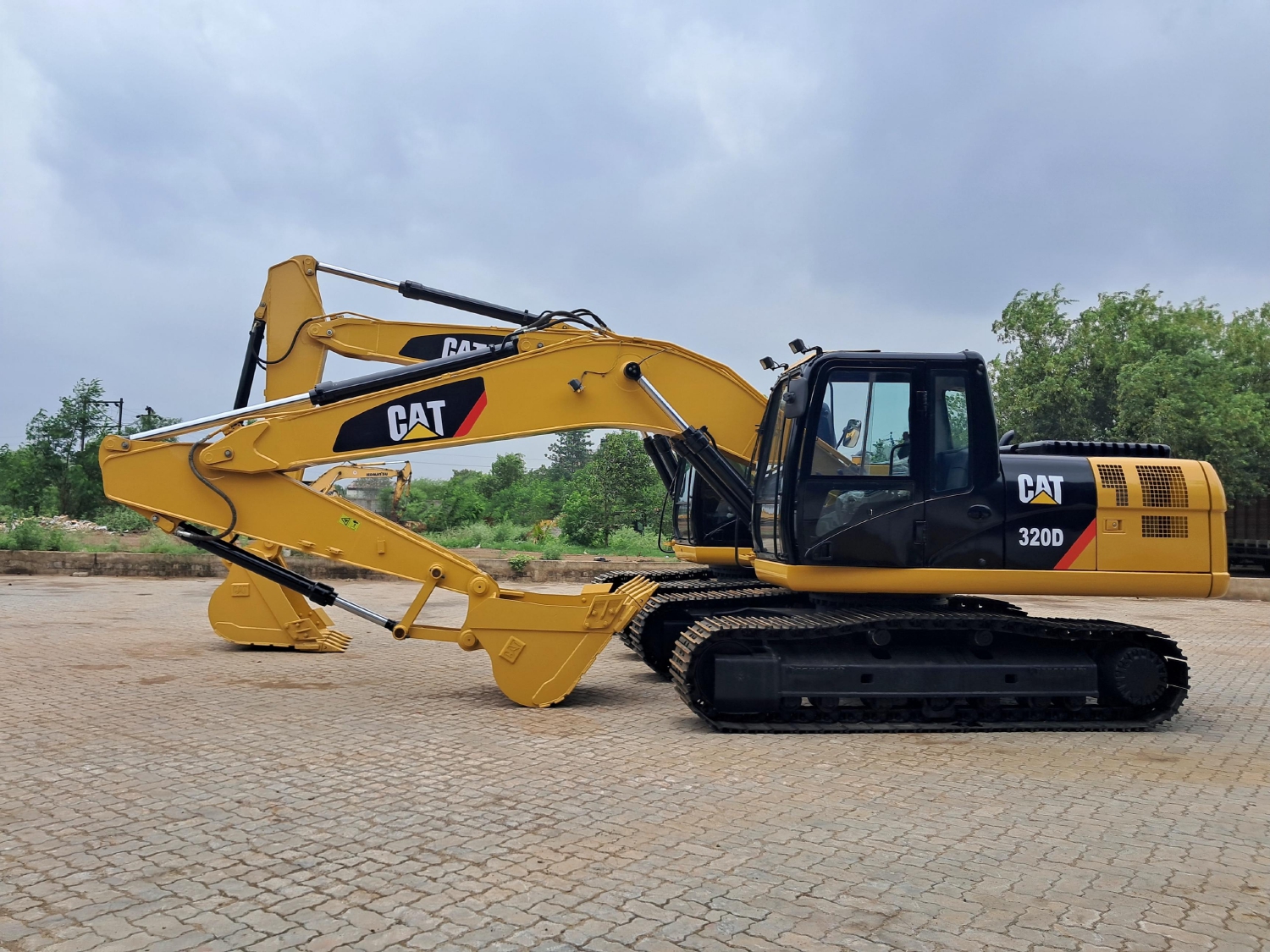
How to Finance Your First Used Heavy Machine in India
The Indian construction sector is booming at a rate of 12.1% CAGR. From new road projects, domestic buildings, a commercial complex, to a government tender, opportunities are everywhere. Now imagine this: you have the drive & skills to take on big projects, but budgets are holding you back. That’s where a construction equipment loan comes to your rescue.
Let’s face it, construction equipment is costly, especially if you’re buying new equipment. A brand-new backhoe or compact excavator feels out of reach when capital is tight. This is a common roadblock for folks new to the construction business. Used construction equipment finance in India is a great solution. You get reliable & tested machinery at lower prices.
Below, we’ll discuss how to finance your first heavy equipment, loan documents for heavy equipment & NBFC construction equipment loan benefits.
Benefits Of Financing Used Construction Equipment
A construction equipment loan is essential, especially for first-time equipment buyers & folks entering the construction industry. Opting for used construction & heavy equipment isn’t just about saving money; it’s an important business strategy. When you opt for financing, you can buy good machines at affordable prices to compete with established players.
1. Preserves Working Capital: New machines come at exorbitant prices & choosing new machines often drains cash inventory. Financing allows you to save money, & use it for fuel, crew salaries & operational expenses.
2. Lower Upfront Investments: Downpayments of used machines are significantly lower & allow you to buy multiple machines.
3. Faster ROI: Since the initial investment & heavy machinery EMI plans are affordable, your machines start to generate profits sooner.
4. Lower Depreciation: New equipment faces severe depreciation in the initial years & loses a significant percentage of value in the first three years. Most used machines often underwent depreciation.
5. Lower Insurance Costs: The insurance costs are also lower on used equipment, since used machines have a lower value.
6. Improves Credit History: When you successfully repay your loan amount, your credibility increases as a buyer, enhancing your credit profile & CIBIL score.
7. Access to More Choices: Opting for used construction equipment finance in India requires you to visit a used equipment dealer, which provides you with more choices in terms of operating weight, brands, etc.
Used Construction Equipment Finance India: A Step-By-Step Process
Step 1: Evaluating Needs & Getting Quotations
Once you choose between buying new equipment or getting a construction equipment loan, it’s important to choose a machine. Before you approach a seller, understand your project requirements. What machine do you require? Is it a backhoe, excavator, tipper truck, etc?
Once you understand this, choose reputable used/refurbished equipment sellers like JKIPL & browse through the choices. Inspect the machine you’ve selected & ask for a formal & detailed quotation. Quotations are required for an NBFC construction equipment loan.
Step 2: Familiarise Yourself With Eligibilities
Banks & NBFC loan providers will always evaluate you as a buyer with a checklist to gauge risk. These are the most common parameters they look at:
- Business Vintage: Banks & NBFC construction equipment loan providers prefer businesses that have been in operation for at least 2 to 3 years. The more, the better!
- Credit Score: If you’re looking to finance used equipment, it’s important to have a strong personal & business credit score. Stronger credit scores increase the possibilities of securing a loan in favourable terms & interest rates.
- Financial Stability: Lenders will check & review your bank statements & balance sheets to evaluate your creditworthiness to ensure a healthy cash flow to maintain heavy machinery EMI plans.
Step 3: Prepare Necessary Loan Documents for Heavy Equipment
Being organised & having all necessary documents ready is important for fast approvals. Get your loan documents for heavy equipment ready before you apply. You will need:
- KYC Documents: PAN card, Aadhaar card, and address proof of the business.
- Business Proof: GST registration certificate, business registration, & trade license.
- Financial Proof: Bank statements for the last 6 to 12 months & Income Tax Returns (ITR) for the last 2 to 3 years.
- Heavy Equipment Information: A dealer-provided formal quotation of the machine you want to purchase.
Step 4: Choosing The Right Lender
When opting for a construction equipment loan, you have two primary options: traditional banks & Non-Banking Financial Companies (NBFC). If you’re buying a used or refurbished heavy machine, NBFC construction equipment loans are better, as NBFCs are more flexible with valuations, provide faster processing times, & offer tailored interest rates.
Avoid the first offer, compare interest rates, processing fees, tenures on offer & LTV (loan-to-value) ratio. Get the one that matches your needs & ensure you ask for every minor detail.
Step 5: Know The Machine’s True Price
The loan amount depends on the lender’s valuation of the machine, not just the amount the seller quoted. This is also known as Fair Market Value (FMV). Use tools like Equipment Value Calculators to know the present value of the machine & browse through online listings, auctions, multiple sellers, etc. to find the best deal.
However, inspect the machine thoroughly. Following the inspection, close the deal by selecting your desired heavy machinery EMI plans.
Tips For First-Time Buyers
- Inspect the used construction equipment thoroughly before purchasing.
- Check the hour meter to know the machine’s overall usage.
- Ensure the hour meter shows a reasonable amount in terms of age & condition.
- Carefully check the service & maintenance records.
- If you can’t evaluate the condition, hire a professional or a mechanic.
- Verify ownership credentials like RC & NOCs.
- Test the machine. Start the engine, operate the hydraulics & test under working conditions.
- Have a tidy financial record. Pay off debts before applying for a loan.
- Keep a simple & detailed business case about how you will use the machine & how the equipment will generate revenue.
- Be transparent about your finances, as lenders appreciate honesty.
- Consider paying a healthy down payment for a smaller loan amount & lower interest rates.
- Read the fine print to understand terms & conditions, fees, charges, limitations, & clauses.
- Maintain a good banking relationship by paying EMIs timely to avoid penalties & improve credit history.

