



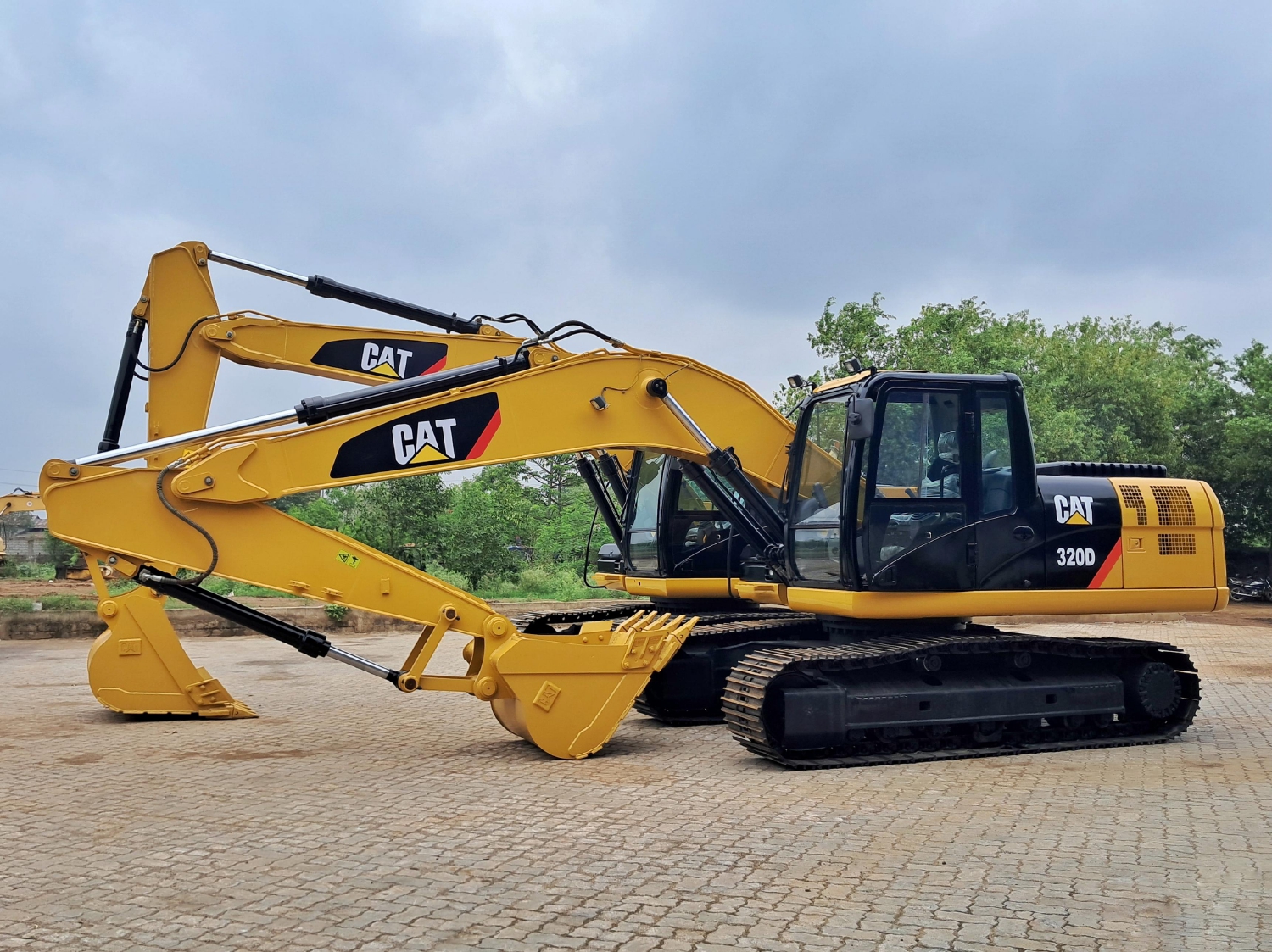
How to inspect hydraulic systems on second-hand excavators?
Excavators are among the widely used machines in India, designed for digging, trenching, quarrying, demolition, material handling, & various other tasks. That makes it ideal for construction, mining, infrastructure & industrial sectors, making it extremely popular in the used market. When browsing through used excavators, an excavator hydraulic check is crucial.
While highly durable, they undergo heavy stress, facing wear & tear, and damage. Although leading used equipment dealers like JKIPL provide refurbished used hydraulic excavators for sale at lower prices, buyers should know how to check hydraulics before buying & basic excavator maintenance tips to avoid downtime & costly repairs.
With that said, let’s explore the step-by-step process to inspect an excavator’s hydraulics & benefits of inspections. Meanwhile, if you’re looking for refurbished excavators, explore our range.
Excavator Hydraulic Check: Step-By-Step Process
1. Visual Inspection
- Hoses & Lines: Start with a hydraulic leak check. Evaluate the hoses and lines for cracks, abrasions, bulges, or leaks, which can indicate a worn or failing hose.
- Cylinders: Inspect the excavator’s boom, stick, & bucket. Find signs of leaking fluid around the cylinder seals, rust, or damage. Smooth cylinder rods with no dents or scratches are a positive sign.
- The Pump & Swing Motor Area: Check for hydraulic pump issues. Check the pump area for oil leaks or unusual wear. Look for cleanliness and absence of grime buildup.
- Slew Ring: Check the slew ring for the condition of grease & find signs of leakage or unusual wear.
2. Functional Check
- Cold Start: Start the excavator and check for abnormal noises like whining or grinding, which may be due to pump or motor issues.
- Test the Functions: Test all hydraulic functions & if the boom, arm, bucket, & controls are working properly. Watch their smoothness and responsiveness.
- Power Test: Observe if the excavator can maintain its power under heavy loads without sluggishness, which could indicate a weak hydraulic system.
- Swing & Slew Ring Test: Check the smoothness and quietness of the swing and slew movements. Irregular motions can indicate hydraulic motor or slew ring problems.
3. Hydraulic Leak Diagnosis & Pressure Test
- “Drift” Test: Lift the boom or arm and hold it for some time. If it drifts downward without any input, it may be due to internal seal leakage in cylinders.
- Pressure & Load Test: When testing the hydraulic system, test for pressure measurements when the excavator operates with different loads to detect low pressure or weak points.
- Wear Signs: Pay close attention to high-pressure components near the boom, stick, and bucket cylinders & look for signs of heavy wear or damage.
Common Issues To Check For During An Excavator Hydraulic Check
- Hydraulic Fluid Leaks: Caused by worn/damaged seals, hoses, or fittings, it can lead to pressure loss and reduced performance.
- Low Hydraulic Oil Levels: Insufficient fluid strains the pump, causing it to overheat & deliver poor hydraulic power.
- Contaminated Hydraulic Oil: Dirt, water, or metal particles promote internal wear, corrosion, & result in system inefficiency.
- Slow or Sluggish Hydraulic Response: Often caused by clogged filters, air in the system, or low fluid, it can result in delayed or weak movements.
- Overheating: Caused by high fluid temperatures due to blocked coolers, excessive workload, or lower fluid levels.
- Hydraulic Pump Failure: Weird noises, pressure loss, overheating, & leaks around the pump can indicate a hydraulic pump malfunction.
- Damaged Internal Seals/Components: Causes internal leakage, drifting cylinders, & reduced hydraulic power.
Important Excavator Maintenance Tips For Longevity
- Perform a daily inspection before starting work & spend at least 5-7 minutes inspecting.
- Check engine oil, hydraulic fluid, coolant, and fuel to avoid downtime & internal damage.
- Perform hydraulic leak diagnosis. Check hydraulic hoses, fittings, and cylinders for leaks, cracks, or wear. Replace damaged parts quickly.
- Keep the undercarriage clean & maintain recommended track tension to prevent wear and maintain stability.
- Grease all pivot points, joints, & moving parts regularly to reduce friction & extend parts’ life.
- Replace air, hydraulic, and fuel filters on time or as per manufacturer recommendations.
- Clean the cooling system to avoid overheating, hydraulic pump issues & straining the engine.
- Conduct regular safety checks on seat belts, alarms, lights, and control systems

