



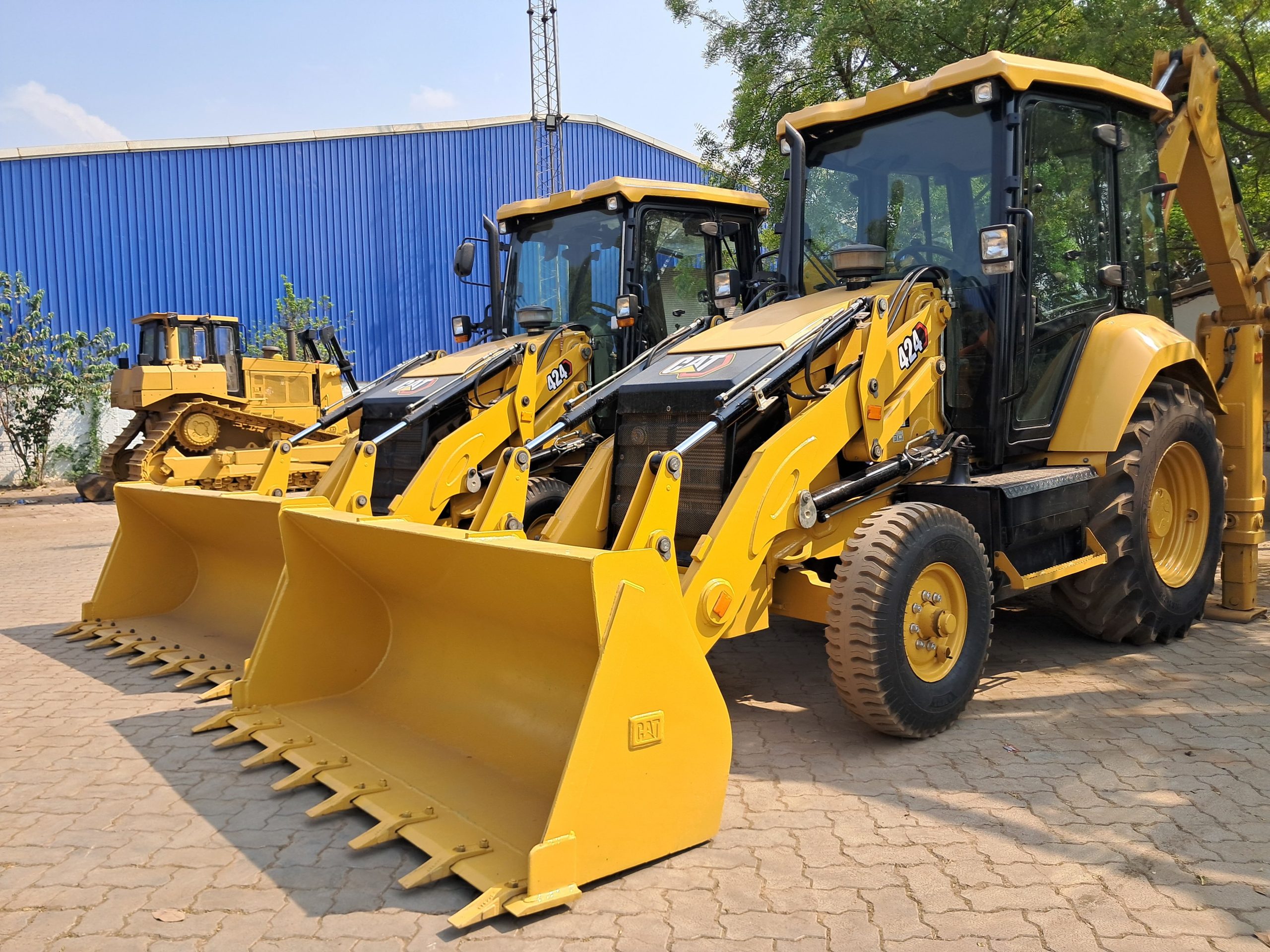
Simple Maintenance Routine to Keep a Loader Working Longer
Loaders are among the most popular heavy equipment used globally. These machines are outfitted with advanced hydraulics, powerful diesel engines, & many complex controls. Since these machines often perform heavy-duty tasks & work in unfavourable conditions, regular maintenance is necessary & incorporating them can extend the life of heavy equipment.
Loaders are earthmoving machines, but they can perform grading, scooping, digging, & material handling. This machine comes in three categories: backhoes, front loaders & skid steers, all three being unique. In case you own these or any of these, have you ever wondered how to maintain a loader? Read below for some low-cost equipment maintenance tips.
Are you looking to upgrade your fleet with new loaders or replace an old one with refurbished loaders? Visit JKIPL to find the best refurbished loaders, available in various sizes, types, price ranges, & brands.
Basic Maintenance For Construction Machinery: Why It’s Important?
- Optimal engine & hydraulic performance from your loaders
- Increased fuel efficiency & lower running costs
- Reduced chances of abrupt breakdowns & downtime
- Maximum profits from high uptime
- Helps your loader preserve the best resale value
- Maintained safety & lower risks of accidents
- Improved fleet performance, efficiency & productivity
Maintenance Tip 1: A Brief Daily Inspection
The first & easiest way to extend the life of used construction equipment is to inspect your loader daily. This habit is a basic for your machine & an effective way to extend the life of heavy equipment. Before you start the day, closely inspect your backhoe for 5-10 minutes. Inspect the wheels, batteries, bodywork, fluid levels, leaks, hoses, bolts, & other essential parts.
Maintenance Tip 2: H3: Fluid Level Maintenance & Checks
Machines like backhoes, skid steers, & front loader depends on fluids like engine lubricant, hydraulic oil, coolant, & DEF (diesel exhaust fluid). Check the engine oil level & its condition using a dipstick. Replace if it’s black, thick, or milky. Maintain optimal coolant levels to help the engine stay cool & keep the hydraulic fluid filled to the recommended level to ensure the hydraulics work properly.
Maintenance Tip 3: Check The Hydraulic System Regularly
Loaders heavily rely on the hydraulics for lifting, digging, material handling & other tasks.
This complex system is designed to perform efficiently and offer durability, but maintenance is required for it to perform well.
Check for damaged hoses, hydraulic fluid leaks, lower fluid level, damaged cylinders, & loose fittings. Carefully inspect for problems & fix them promptly to ensure your loader machine can perform well. These problems can cause symptoms like lower lifting power & delayed responses. Watch out!
Maintenance Tip 4. Attachment Maintenance
Loaders are useless without their buckets & attachments. Buckets often face damaged teeth as they are often used for demolition, rock breaking, carrying abrasive materials, digging, & tasks involving dragging or scooping. Inspect the teeth carefully & replace the damaged ones.
Use proper tools to replace the teeth/tooth & check other attachments if they are working properly. Consider replacing or fixing them if you find abnormalities.
Maintenance Tip 5. Replace The Filters
Loaders rely on various filters like an air filter, fuel filter, fuel sediment filter, hydraulic fluid filter, & transmission oil filter. To help your machine perform properly, it’s important to inspect, clean & replace the filters.
Check the filters timely & ensure they are in good condition. Ignoring filter maintenance will cause your machine to run on contaminated fluids, resulting in lower performance, breakdowns, & costly repairs.
Maintenance Tip 6: Lubricate The Moving Parts
Construction machines heavily rely on pins, joints, bushings & pivot points, which tolerate massive stress while working. Without proper lubrication, these parts will wear out or rust quickly. Regular greasing is one of the most important low-cost equipment maintenance tips that can help the moving parts work as expected.
Maintenance Tip 7: Check Your Loader’s Tyres & Tracks
There is a reason why most buyers & operators prefer wheeled loaders over tracked ones. Loaders with wheels are easier to manoeuvre & offer faster speeds, both of which are essential for productivity. Regularly inspecting the tyres is one of the most important heavy equipment maintenance tips.
Check the tyres for bulges, cuts, & damage. Inspect its tread depth & pattern as it’s responsible for traction & safety. Maintain optimal tyre pressures using a gauge or an integrated TPMS. Incorrect tyre pressure can cause the engine to stress & return lower fuel economy. If you have a tracked loader, check the tracks for wear, rust, & other abnormalities.
Maintenance Tip 8: Clean The Radiator & Cooling System
Loaders like backhoes & skid steers often work in dusty & muddy conditions, plus terrain. Working in these environments causes the radiators to clog & the engine to overheat. Use pneumatic pressure washers or compressed air to carefully & effectively remove debris & dust from the cooling fins to help the engine stay cool. Don’t forget to maintain proper coolant levels.
Maintenance Tip 9: Stay On Top Of The Safety Features
Before starting the day’s work, always check your loader’s safety features. Evaluate the brakes, horn, front & rear lights, boom locks, stabilisers & the ROPS/FOPS cabin protective structures. Checking the safety features can help you avoid accidents & this should be a part of basic maintenance for construction machinery.
Maintenance Tip 10: Clean Your Loader
While it may sound basic, cleaning your loader is among the most commonly suggested heavy equipment maintenance tips. Regularly washing your machine can help you remove slush, dirt, & debris from the inner parts of a loader, plus help you avoid internal damage. Cleaning also helps you maintain good bodywork condition, which is important for resale values.

