


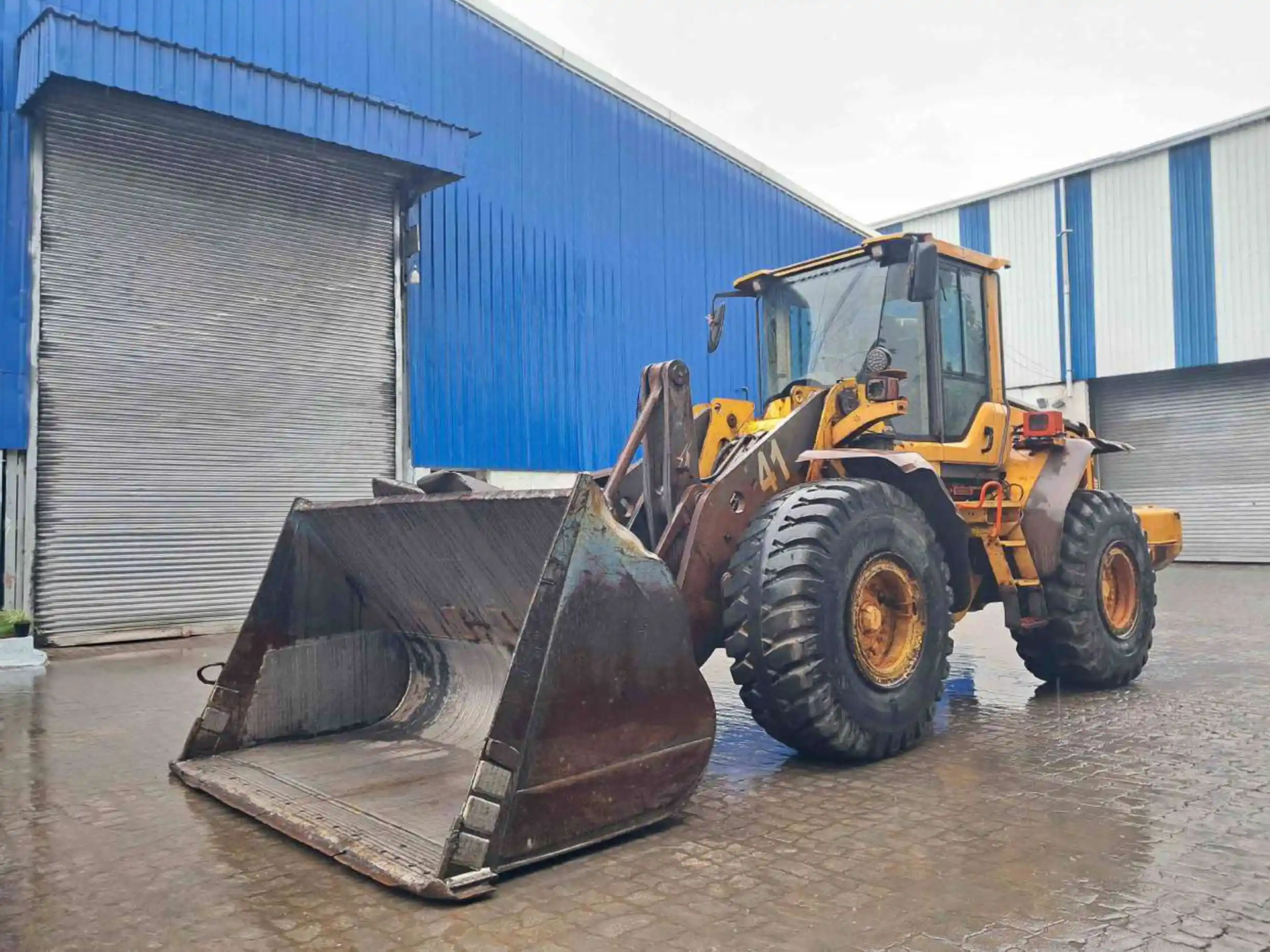
Wheel Loader Buying Guide: Specifications, Applications, and What to Check Before Purchase
A contractor in Zambia orders a wheel loader that looks perfect on paper. Three weeks after it arrives, the crew is unhappy. The bucket is too small for the blasted rock, trucks take forever to fill, and the machine tips forward whenever the bucket is heaped. Nothing is wrong with the loader. It’s just the wrong size for the job. That’s the mistake this wheel loader buying guide is written to help you avoid.
In this blog, we’ll cover which wheel loader specifications really matter, how to think about wheel loader bucket capacity, where these machines earn their keep, and what to check before you pay for one. This will help you present your used CAT wheel loader in front of the right audience and get the best prices.
Which Wheel Loader Specifications Matter Most
Specification sheets and brochures are long, and most buyers skim them. Here are the numbers you must check, both as a seller and a buyer:
- Operating Weight: Sets the machine class, how stable it is and what it takes to transport.
- Engine Power: Drives travel, lifting and digging. Check whether the figure is net or gross so you compare like with like.
- Bucket Capacity: Decides how much moves per pass and how many passes fill a truck.
- Breakout Force: Shows how well the loader digs into compacted material or a stockpile.
- Rated Tipping Load: The safe load before the machine tips forward.
- Dump Clearance & Reach: Decides which trucks and hoppers the loader can fill.
- Hydraulic Cycle Times: Lift, dump, and lower times set the pace of truck loading.
- Tyres: Affect traction and running cost, and a new set is expensive.
- Lifting Capacity: Shows how much weight a wheel loader can lift without struggling.
The wheel loader specifications that surprise people most are tipping load and cycle times. A big bucket looks impressive, but if the tipping load can’t carry what you put in it, you’ll be running half-filled buckets all day.
Wheel Loader Bucket Capacity: Match It to the Material
Bucket capacity is quoted in cubic metres, but weight is what the machine actually feels. A bucket built for woodchip is light when full. The same bucket packed with wet sand or blasted rock can be far too heavy. So always read bucket capacity together with the rated tipping load and the density of your material.
Different jobs need different buckets. A general purpose bucket handles soil, sand and gravel. A rock bucket has stronger edges and teeth for blasted stone. A high-volume bucket suits light, free-flowing material, and forks or special buckets cover pallets, scrap, waste and timber yards. Do the maths on trucks too. If a loader needs six passes to fill a tipper, that cycle slows your whole haul chain.
Wheel Loader Bucket Types
1. General Purpose: It is the standard loader bucket and has a curved profile, built for maximum filling and material retention. It handles everyday loading, carrying and stockpiling of loose material without needing any specialised features. Suited for: landscaping, stockpiling, rehandling and general site grading. Everyday dirt and gravel work.
2. Rock Bucket: Also known as heavy-duty buckets, it is made for abrasive and sharp material. Designed with stronger cutting edges and added wear protection, it can work with blasted rock and quarry stone without the fast wear a standard bucket suffers. Suited for: quarry and aggregate operations, demolition cleanup and heavy site work. Mining and large road applications. Loading shot rock and hard, stony material.
3. Light Material: A larger-volume bucket for low-density material. Light material fills the bucket long before it reaches the loader’s weight limit, so the extra volume lets each pass carry a bigger load. Suited for: mulch, wood chips, coal, peat moss and snow. Grain and plastics in agriculture.
4. Skeleton: These buckets have gaps in their bodies, built like a sieve. Fine material falls through while larger pieces stay inside, so you sort and load in a single pass instead of two. Suited for: demolition cleanup, landscaping debris, waterway cleanup and mulch processing.
5. Multipurpose (4-in-1): One bucket that combines loading, dozing, digging and grabbing functions. It trades some filling and wear performance for versatility, so a single attachment can replace several tools on a mixed job. Suited for: contractors seeking versatility from a bucket. These buckets can often perform digging, backfilling, bulldozing, light grading and material handling, all with a single machine.
6. Side Dump: This type of bucket discharges to the side as well as the front. Its unique mechanism lets the loader unload without turning, which helps in narrow spaces where the machine can’t manoeuvre to face the truck. Suited for: narrow sites such as tunnels and highways. Rock loading in tight places like tunnels.
7. High Dump Bucket: These buckets are built with a raised discharge point on a separate tilting frame, so they dump higher than a standard bucket. They clear tall truck sides, hoppers and containers without repositioning. Suited for: waste management, agriculture and construction. Specific uses include loading high-sided trucks, hoppers and tub grinders, feed trucks at feedyards and dairies, and landfill or transfer station work.
8. Slag Bucket: An extreme-duty bucket for hot slag, built with a thick heat-resistant floor plate, hardened edges and a heavy single-piece cutting edge. It withstands extreme temperatures, abrasion and impact that would deform a standard bucket. Suited for: steel mills, foundries, smelters and slag processing centres. It loads molten or semi-molten slag, clinker and other furnace by-products.
Where Wheel Loaders Work
- Quarries & Mining Support: Rehandle stockpiles, feed crushers and load trucks. Large loaders load blasted rock and ore into haul trucks. They also clear debris after blasting.
- Construction Sites: Move sand, gravel and soil, and with forks they handle materials too. Other jobs include site preparation, backfilling trenches and loading base material for roads.
- Demolition & Debris Clearing: Clear and load rubble and concrete after demolition. Grapples or toothed buckets let them assist in demolition work.
- Concrete & Batching Plants: Load sand and aggregate into transit mixers and feed crushers at batching plants.
- Plants & Material Yards: Feed hoppers and bins all shift long.
- Agriculture: Handle grain, silage, hay, fertiliser and manure. With the right bucket or forks, they distribute livestock feed. They also move bulk crops such as potatoes, sugar beets and corn.
- Waste & Recycling: Push, pile and load municipal and industrial waste at landfills. At recycling facilities, they sort and load paper, plastic and metal. They also turn compost piles.
- Forestry & Timber Yards: With grapples or forks, they move and sort logs and load trucks or feed sawmills. They also clear branches and stumps from the forest floor.
- Ports & Terminals: Handle bulk cargo such as coal, iron ore, fertiliser and grain. With fork attachments, they position containers in yards.
- Steel Mills & Slag Handling: With heat-protected machines and slag buckets, they work in steel mills.
- Snow Removal: With snow buckets or ploughs, they clear roads and parking lots.
- Landscaping, Utilities & Municipal Work: Compact loaders and mid-size machines serve these jobs. Municipal duties include removing large trash in city cleaning projects.
If you’re torn between a loader and a backhoe loader, read CAT wheel loader or CAT backhoe loader: which one do you need? It will save you from buying the wrong type altogether.
Wheel Loader Buying Guide: What to Check Before Purchase
- Application Match: Define the job first. Note your site conditions, loading frequency, required lift height, dump clearance and yearly hours, then judge the loader against them.
- Hours & Records: Ask for the year, an hour-meter photo or video, service records and any engine, transmission or hydraulic overhaul details.
- Serial Numbers: Match the serial numbers on the machine to the paperwork, and review the records for routine services and major repairs.
- Frame & Structure: Check the frame and loader arms for cracks, bends, fresh welding and paint that may hide repairs. Look underneath, since fatigue cracks often form out of sight. Professional weld repairs aren’t always a dealbreaker, but repeated cracking points to severe stress.
- Articulation Joint: Articulate both ways fully and check for play in the centre pivot pins and bushings. This joint carries the machine’s weight and load, and cracks or uneven wear can signal overloading.
- Pins & Bushings: Some wear is normal on a used loader, but it should match the hours and usage history. Excess play on the loader arm pivots suggests heavy use.
- Engine: Start it cold and listen for unusual noise, smoke and vibration. Check for oil, coolant and fuel leaks, and review the condition of the air filter and belts.
- Transmission & Axles: Drive through all gears forward and reverse. Watch for slipping, harsh shifts, delay, abnormal noise, axle oil leaks and weak braking.
- Hydraulics: Run the boom and bucket through full lift, lower, curl and dump cycles. Movement should be smooth and quick, with no leaking cylinders or hoses.
- Tyres: Check tread depth, cuts, bulges, sidewall damage and uneven wear. Confirm the brand and size match across all wheels, and look for rim damage or loose wheel nuts. Tyres have a major effect on purchase value and operating cost.
- Bucket & Attachments: Inspect cutting edges, bucket floors and side plates for wear, distortion or cracks. A quick coupler should engage fully and lock securely. Confirm whether the price includes the bucket, forks, coupler or other attachments.
- Load Test: Test under load if possible. It should lift a loaded bucket smoothly, hold boom and bucket position, shift without slipping, brake safely and run without overheating.
- Remote Purchase: If you can’t visit, request detailed photos, a cold-start video, an operating video and third-party inspection support. A professional inspection should be completed before payment.
Conclusion
The right wheel loader is the one sized for your material, your trucks and your daily workload. Compare wheel loader specifications on the same basis, test the machine under working conditions, and confirm the paperwork. That’s the whole wheel loader buying guide in one line.

